Issue No. 20 | Oct 1, 2026

Eighty East Bay homes have sold for more than $1 million over asking so far this year. Last year, that number was eighteen.
At the same time, mortgage rates just moved back above 7 percent.
Those two things might sound contradictory. They aren’t.
And if you or someone you know is thinking about buying in the next year, it matters to understand why.
I keep hearing some version of the same thing from buyers: “I’ll wait until rates come down.”
I understand it. Nobody wants to borrow at 7 percent if something meaningfully lower might be available later. But there’s another side to that decision that gets a lot less attention.
THE RATE HAS OPTIONS
A mortgage rate isn’t necessarily permanent.
You can shop lenders. You can compare loan structures. You may be able to buy the rate down at closing. And if rates fall enough later and you qualify, refinancing may become an option.
One discount point costs 1 percent of the loan amount. How much that lowers your rate depends on the lender, the loan and the market at the time.
Refinancing involves costs and qualification requirements, so it should never be treated as a guarantee.
But the important distinction is this:
Your financing may give you options later. Your purchase price does not.
If you buy a home for $1.5 million, that is the number in the contract.
If you wait and that same type of home costs $1.6 million next year, you can't refinance the extra $100,000 away.
And there’s something else buyers waiting for lower rates have to consider.
When rates come down, they don’t come down for one person.
They come down for everyone.
THE WAITING ROOM IS GETTING CROWDED
The San Francisco Business Times reported this week that 80 East Bay homes have sold for more than $1 million above asking so far in 2026.
Last year: 18.
Read that again.
Eighteen to eighty.
In North Berkeley, homes have been averaging roughly 68 percent over asking. Northbrae, 64 percent. Berkeley Hills, 47 percent.
Median prices have also climbed in some of the Inner East Bay’s most competitive neighborhoods, including Crocker Highlands, Elmwood and Claremont Hills.
That isn’t a national housing story.
That’s the market outside our front door.
I was in a multiple-offer situation in Rockridge this past week. I won’t get into the specifics of that transaction, but it reinforced something I’m seeing over and over again:
For buyers who find the right house, on the right street, in the right neighborhood, competition is still very much there.
Rockridge’s recent median sale price is around $1.9 million, with homes averaging roughly 20 days on the market.
That is happening at the same time buyers are telling me they’re waiting for better borrowing conditions.
Both things can be true.
WHAT I’D ACTUALLY PAY ATTENTION TO
A 7 percent mortgage is not historically unprecedented.
What is unusual is today’s combination of borrowing costs and Bay Area home prices.
That’s why I don’t think buyers should make a seven figure decision based on the mortgage rate alone.
The better question is:
What happens to my total cost if I wait?
Maybe rates fall.
Maybe prices rise.
Maybe inventory improves.
Maybe the exact block you want has three listings next spring instead of one.
Nobody knows exactly how those variables will move. That’s the point.
A buyer should understand all of them instead of treating the mortgage rate as the entire market.
If you’re planning to buy within the next year, I’d be thinking about the home, the neighborhood, the price, the monthly payment and your timeline together.
Not one number in isolation.
ON THE MARKET: 4360 KINGSWOOD DR, CONCORD
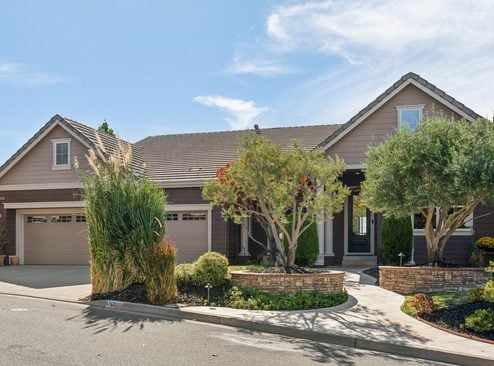
Open House: Sat & Sun 10.3 & 10.4, 1–4:30 PM
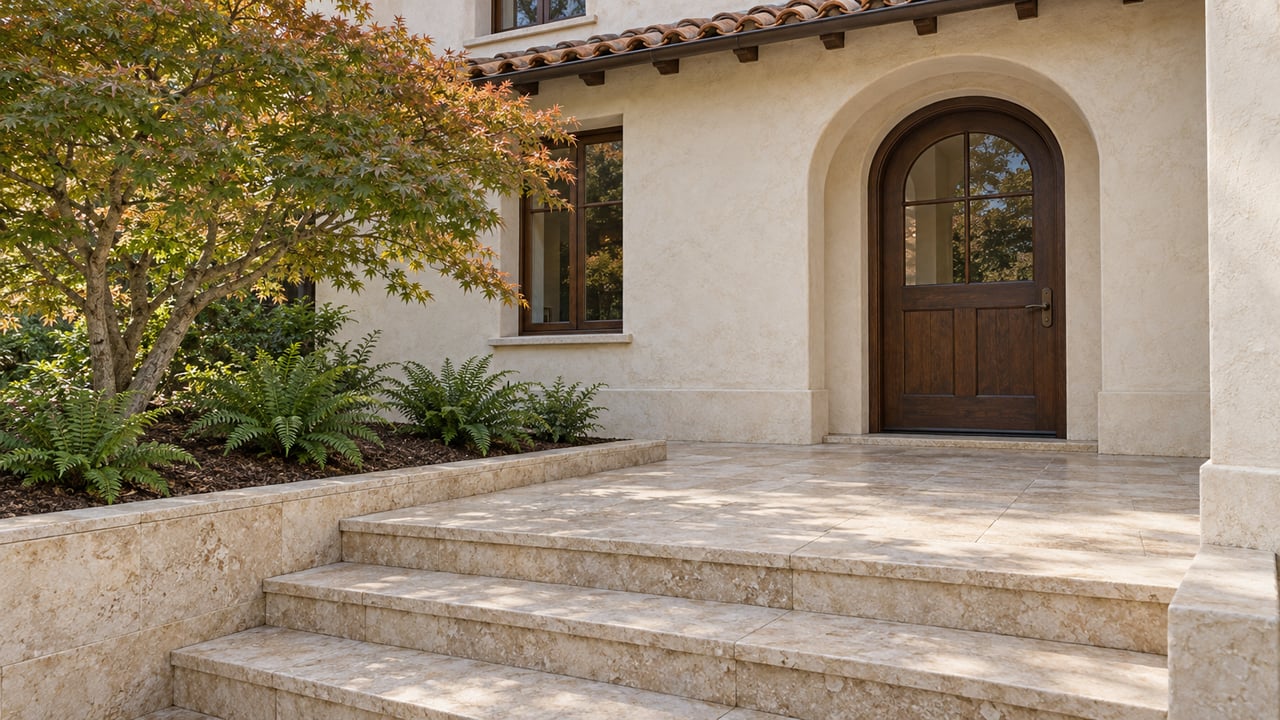
Welcome to Villa delle Viti. Built in 2005 on a west-facing lot with sunset views over Ygnacio Valley. Travertine patios on all four sides, an outdoor kitchen with fire pit, a swim spa, a three-car garage with EV charging, and — this is the part — a private vineyard and fruit orchard. Near Lime Ridge open space, hiking trails out the back door. It doesn't come along often in this area.
For more information, visit 4360kingswood.com
THE OTHER HALF OF THE MARKET
The Business Times report also reinforces something I talk about constantly:
There is no single East Bay housing market.
Oakland condos have been much softer, with pricing in some segments sitting near levels we saw years ago.
At the same time, single-family homes in places like Rockridge, Crocker Highlands, Elmwood, and North Berkeley are seeing extremely different buyer behavior.
That distinction matters whether you’re buying, selling, or simply wondering what your home may be worth.
And there’s another variable worth watching over the next few years: the enormous amount of wealth being created inside Bay Area AI companies.
If future liquidity events translate into additional housing demand, supply-constrained Inner East Bay neighborhoods are an obvious place to watch.
That doesn’t mean every neighborhood rises together.
It means the micro market matters. Property type matters. The street matters. Condition matters. Pricing strategy matters. They always have.
Right now, they matter more than the citywide average.
ONE DATE TO REMEMBER
October 15.
That’s when new California FAIR Plan dwelling rates begin taking effect for new and renewing policies.
The approved increase averages 29.1 percent statewide, although individual changes will vary considerably depending on the property and risk profile.
If you rely on the FAIR Plan in the Berkeley Hills, Oakland Hills, Lamorinda or another wildfire exposed area, this is a good time to review your coverage and upcoming renewal with your insurance broker.
Not after the renewal notice arrives. Now.
WHAT THIS ALL ADDS UP TO
Mortgage rates moved back above 7 percent.
Inventory is loosening in some parts of the East Bay and remaining extremely constrained in others.
Some properties are sitting. Others are selling more than a million dollars above asking.
That is not a contradiction. That is this market.
Buyers who only watch the mortgage rate may be surprised by what happens to the price.
The better strategy is to understand both and know which variables you may have an opportunity to change later.
If any of this raises a question about your situation, your street or what the next year could look like for you, I’m here.
Text, call, or email anytime.
— Robert